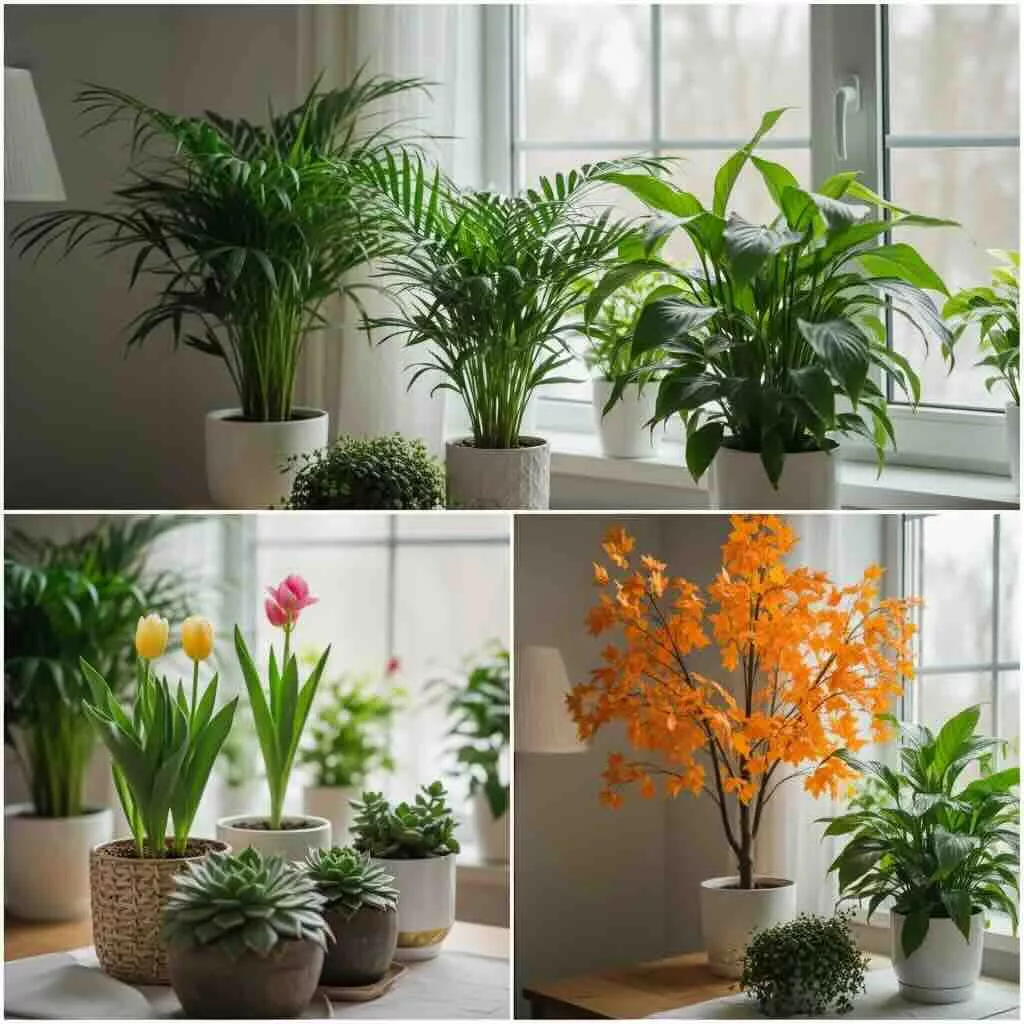
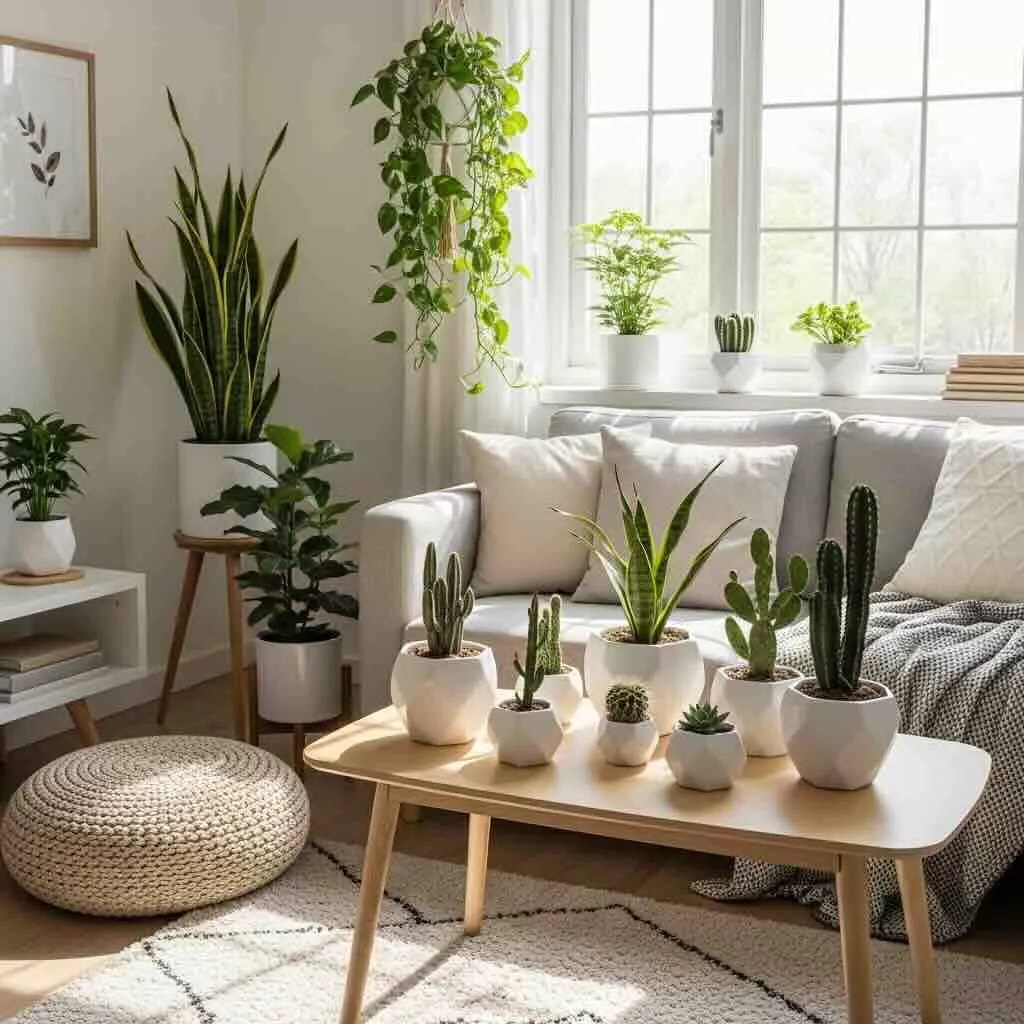
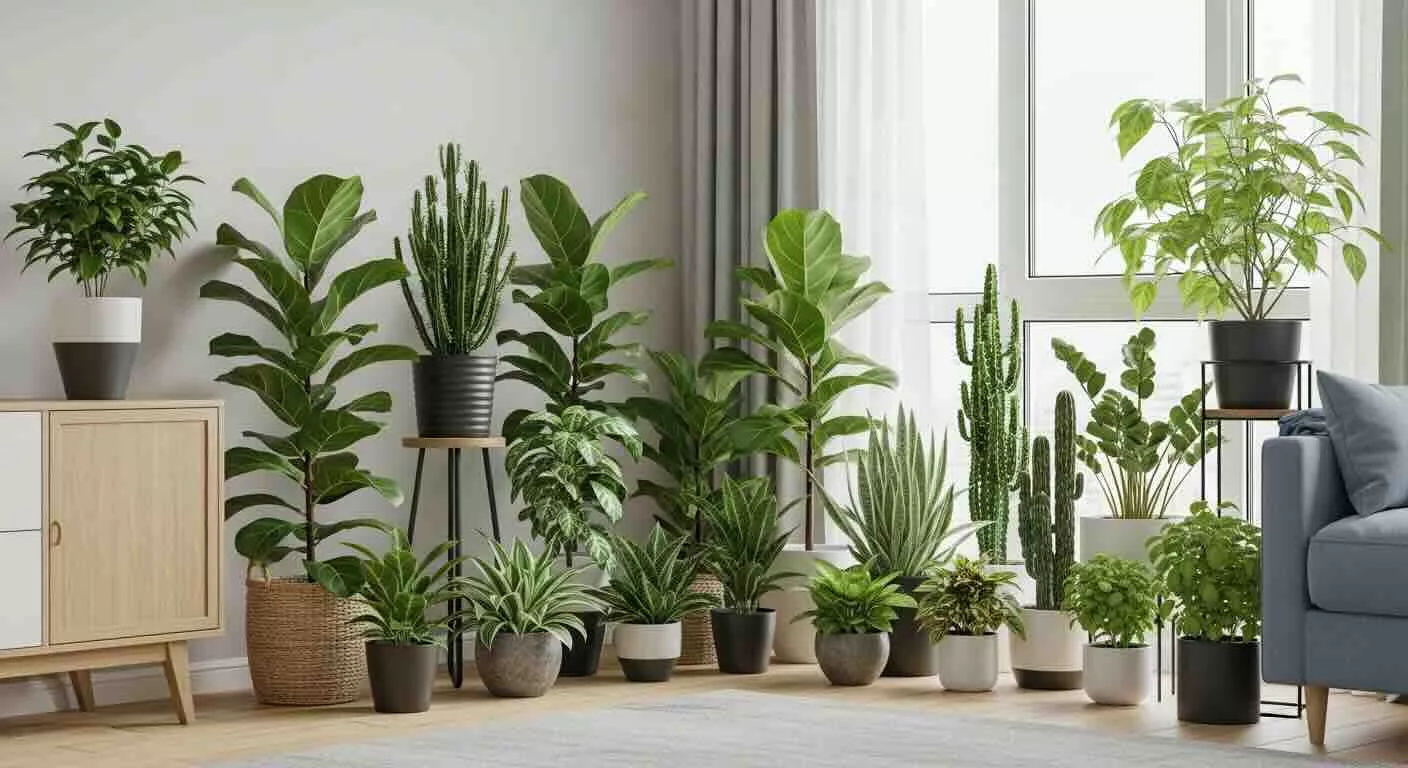
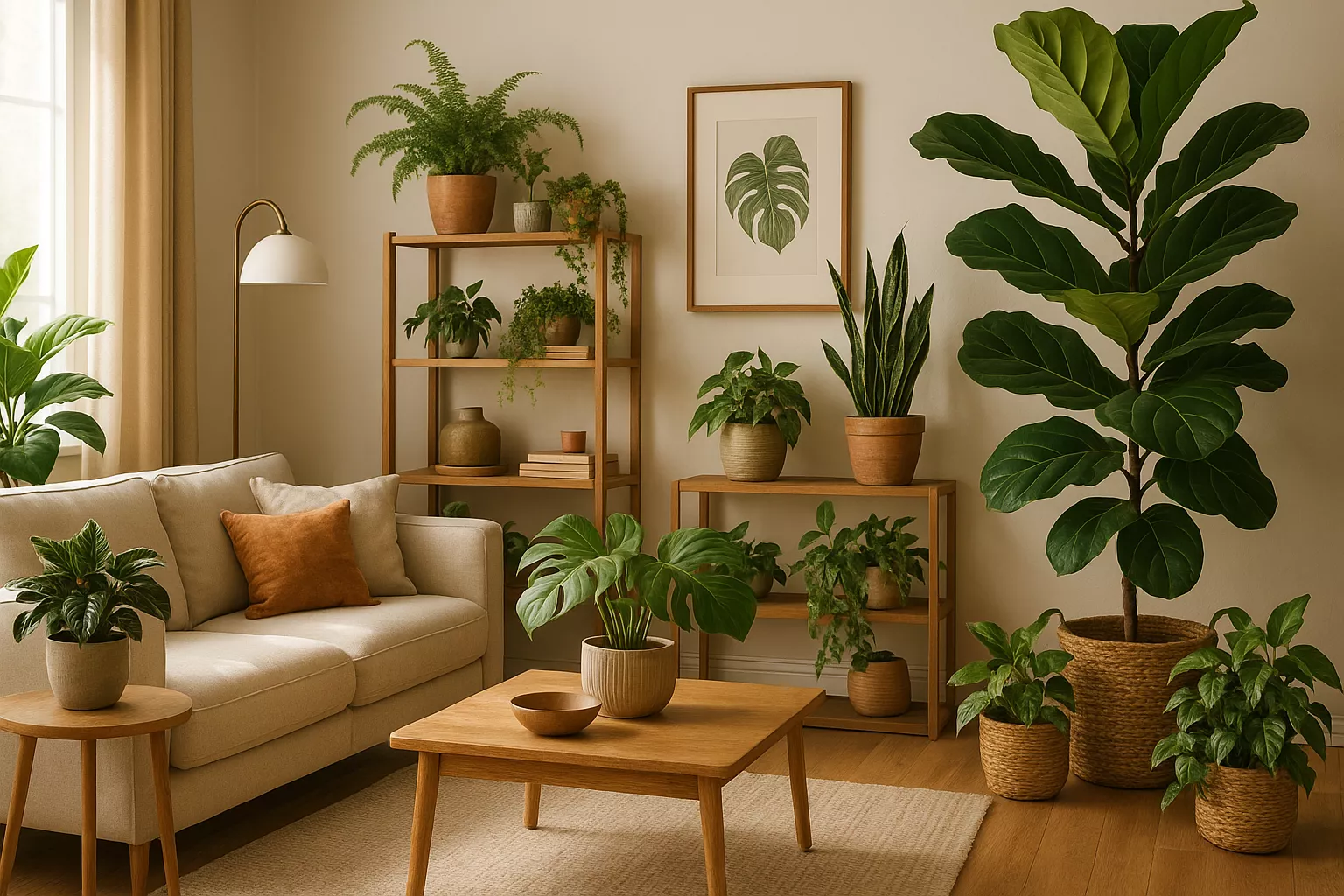
Choosing the right machete or cachepô is fundamental to guarantee the healthy growth of the indoor plants and complement the decoration of your home.
It's not just about aesthetics, it's also about functionality, comfort and vegetal well-being.
In this article we show you how to select the best containers for your plants and how to integrate them harmoniously into your space.
Difference between macheta and cachepô
It is common to confuse both terms, but they have distinct functions:
- Maceta: container from which the species is planted directly; You must have drainage holes to avoid excess water.
- Cachepô: decorative element that encloses or contains the maceta; No need for draining, because its function is aesthetics.
Understanding this difference is the key to properly care for your plants.
Essential factors to choose the right macheta
The choice of the mace depends on various factors, from the type of plan to the style of decoration.
Size of the maceta
The size must be proportional to the plan:
- Macetas pequeñas: for succulents, cacti and short root plants.
- Macetas medianas: suitable for ficus, potos or helechos.
- Macetas grandes: ideal for large plants such as Monstera deliciosa.
A small machete will limit the loosening of the plant, while a large mace can retain excess moisture and cause swelling of the roots.
Material de la maceta
The material influences drainage, durability and aesthetics.
- Barro or terracotta: breathable and classic; Retains less moisture, ideal for succulents and cacti.
- Plastic: light, economical and with good water retention; ideal for plants that require more humidity.
- Ceramica esmaltada: decorative and elegant, yet more heavy and expensive.
- Metal: industrial aesthetics; Please be careful with the temperature, as it can heat up or cool down quickly.
- Coconut fiber or mimbre: ecological and light; excelentes para colgantes.
Choose the material according to the needs of your plants and the style of your home.
Sistema de drenaje
It is essential that the maceta has orifices in the base to allow the excess water to rise and to avoid build-up.
- If the chosen container is not drained, you can pierce it or use it as a cachepô.
- Place a cap of stones or expanded arc at the bottom to improve drainage.
This step prevents illnesses such as root canal and hair loss.
How to choose the ideal cachepô
The cachepô has a purely aesthetic function and is perfect for hiding less attractive bags.
Estilo y materiales
The cachepôs adapt to all styles of decoration:
- Rustic: cachepôs de natural fibres, such as wool or ratán.
- Modern: minimalist designs in metal or ceramic with clear lines.
- Bohemian: hanging macramé or artesanal baskets.
- Classic: white ceramic or neutral tones.
Choose a cachepô that harmonizes with the colors and materials of the environment.
Tamaño y forma
It should be slightly larger than the mace to allow for easy insertion and removal.
- Avoid too many adjusted cachets that can make the cut difficult or damage the plant.
- Prefer shapes that facilitate stability, especially for tall plants.
Correct selection guarantees safety and aesthetics.
Curtains in macetas and cachepôs for interior
The design of macetas and cachepôs has evolved, offering innovative options:
- Macetas cologantes: ideals to embrace the vertical space and add dynamism.
- Soportes elevados: Add height and style to the compositions.
- Macetas autorriego: Practices for people who cannot eat frequently.
- Cachepôs tejidos: they bring texture and warmth to the environments.
These trends combine functionality and aesthetics.
The plants and their containers can become protagonists of the decoration.
Advice for harmonious integration
- Combine the colors and materials of the macetas with the furniture and textiles of the space.
- Create groups of plants at different heights to add volume.
- Place large macetas in the corners to fill empty spaces.
- Use small macetas over stands or auxiliary tables.
- Incorporate hidden cachepôs for added movement.
A good arrangement transforms any person into a comfortable and comfortable environment.
Be careful when using macetas and cachepôs
To ensure that your plants remain healthy, here are some recommendations:
- Pour the excess accumulated water into the cache after the drain.
- Review the roots periodically to detect if they need transplanting.
- Clean the macetas and cachepôs to avoid accumulation of dirt and plague.
- No dejes la planta encharcada; adjust the rod according to the material of the mace.
Adequate maintenance guarantees the health of the plant and prolongs the useful life of the containers.
How to know when to change the macheta
Transplanting is necessary when the plant has grown and its roots need more space.
Signs that it's time to change the mace
- Thes roots salen by the draining needles.
- The plant is weaned or its leaves are amarillean.
- The earth dries very quickly.
- The macheta seems disproportionate compared to the size of the plant.
When transplanting, choose a larger-sized mace, with good drainage and suitable material for the particular species.
Enjoy healthy plants and harmonious decoration
Selecting the right mace and container not only improves the health of your plants, but also enhances the aesthetics of your home. Balance function and style, adapting the containers to the needs of each species and to the design of your space.
With these recommendations, you can create a green, welcoming and full of personality environment, where your plants will be protagonists.