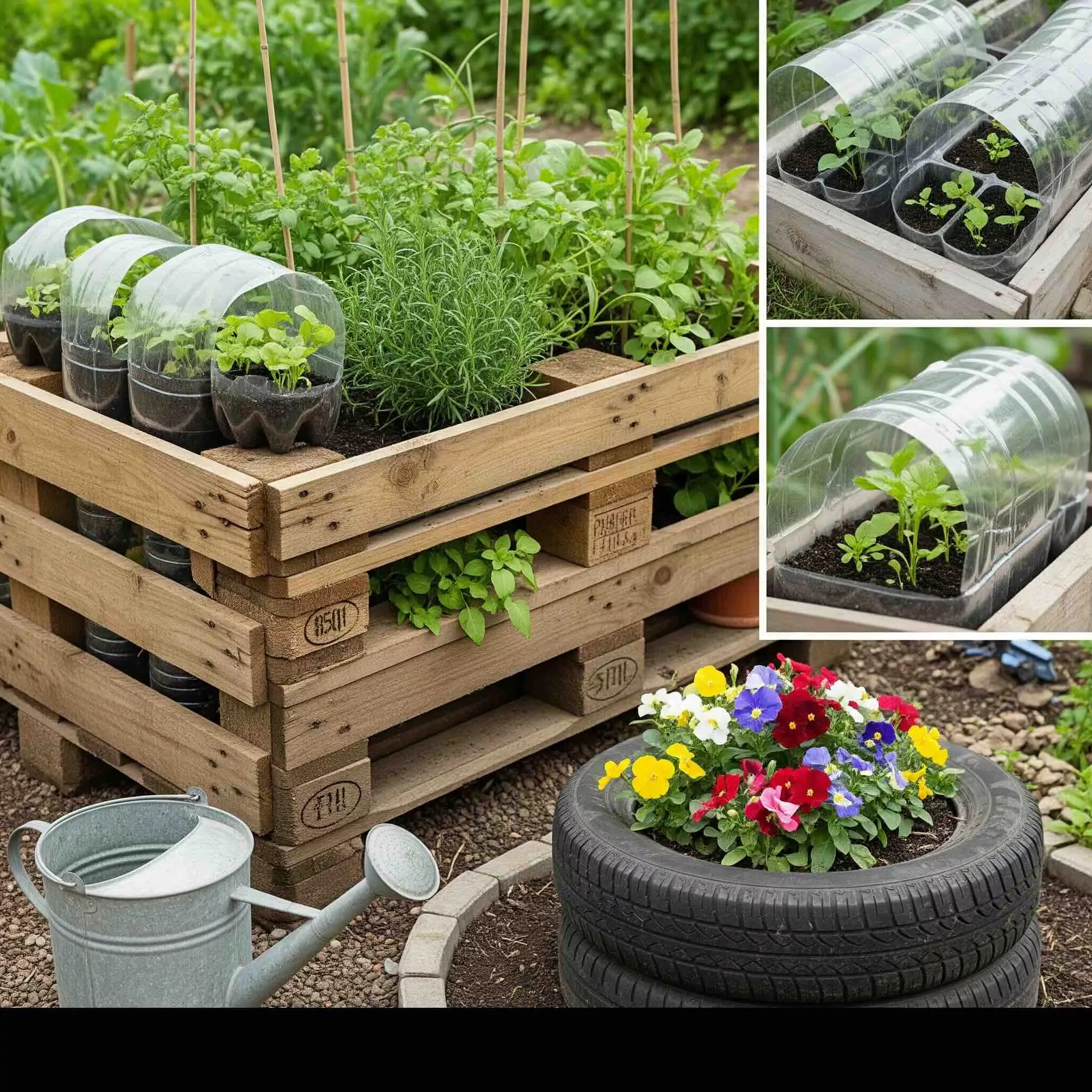
La preparación adecuada of the garden It is fundamental to ensure that new plants are adapted, grow healthy and develop into their full splendor.
A well-conditioned garden facilitates growth, avoids future problems and guarantees the success of your crops.
In this article we show you step by step how to prepare your garden to receive new plants in an efficient and sustainable way.
Evalúa el espacio disponible
Before carrying out any planting, it is necessary to observe and evaluate the space with detention.
Factores a considerar:
- Exposición solar: determines the sun, semi-shade and shade zones.
- Type of soil: sandy, arcillous or loose. This influences drainage and fertility.
- Disponibilidad de agua: easy access to remote systems.
- Compatibilidad: consider the existing plants and how they will complement the new ones.
This evaluation will allow you to select the most suitable species for your garden.
Plan the distribution of the plants
Good planning avoids overloading the space and facilitates maintenance.
Steps for effective planning:
- Draw a sketch de la disposición deseada.
- Agrupa las plantas Follow your needs for light and water.
- Deja espacios adecuados between plants for growing.
- Consider the aesthetics: combine colours, sizes and shapes of flowers and flowers.
A planned distribution guaranteed jardín armonioso y saludable.
Mejora y prepara el suelo
The success of planting depends largely on the quality of the substrate.
Cómo preparar el suelo:
- Limpieza: eliminate bad grass, dead roots and plant remains.
- Aireación: remove the soil with a shovel or rake to improve the drainage.
- Enriquecimiento: add compost, humus or organic matter to provide essential nutrients.
- Nivelación: make sure that the ground is level, avoiding encharcamientos.
If the floor of your garden is very poor, consider creating elevated pallets or using macetas.
Prepare the necessary hardware and materials
Having the right tools makes work easier and improves effectiveness.
Herramientas básicas:
- Shovel and rake
- Guantes de jardinería
- Tijeras de podar
- Regadera o sistema de riego
- Stands or guardians for young plants
Before starting, check that all the items are clean and in good condition.
Select suitable plants
Not all species are well suited to any garden. It is fundamental to choose plants compatible with the conditions of your space.
Criterios de selección:
- Adaptación climática: opt for species resistant to the conditions of your region.
- Exigencias hídricas: plants that adapt to the availability of water.
- Size: Consider the maximum growth of each plant.
- Compatibilidad: avoid species that can compete in a negative way with each other.
Consulting with a local shop can be very helpful in making the best decision.
Prepare the plants before the plants
Before placing new plants in the garden, it is important to carry out certain preparations.
What to do:
- Hydration: Rise the plants well in their macetas before transplanting them.
- Adjustment: if the roots are very compact, gently float the head.
- Poda: remove dry or damaged hair to encourage a good start.
This step reduces the stress of the transplant and improves the probability of success.
Carry out the planting in an appropriate form
The shape of the plants is as important as the previous preparation.
Técnica correcta:
- Dig a hole: the double of the same and a little deeper than the head.
- Place the plant: of the shape that the cuello gives to ras de soil.
- Fill with earth: Press lightly to eliminate air bags.
- It lines abundantly: to remove the substrate and provide initial hydration.
- Añade mulch o acolchado: to conserve moisture and protect roots.
This process ensures good adaptation of the plant to its new surroundings.
Protege las nuevas plantas
Transplanted plants are more vulnerable to inclement weather and plagues.
Medidas de protección:
- Sombreros o mallas de sombra: to protect them from excessive sun.
- Estacas o tutores: to avoid that tall plants are doubled or broken.
- Valleys or circles: to prevent animals from damaging young plants.
Adequate protection promotes healthy growth and development.
Make a follow-up later
After planting, it is essential to pay attention to the state of the new plants.
What to watch for:
- Soil moisture: maintain a constant line but without emphasis.
- Estado de las hojas: detect signs of illness or disease.
- Growth: check that the plants are being unrolled in an appropriate manner.
Regular monitoring allows you to make adjustments over time and guarantee the success of the crop.
Enjoy a renovated and healthy garden
Preparing the garden well for the planting of new plants is an inversion of time and effort that translates into a more healthy, aesthetic and easy to maintain green space.
By following these tips, you will not only ensure the good design of your new purchases, but also enjoy the process of seeing how your garden grows, beautifies it and transforms it into a green natural oasis.