How to properly care for plants inside the house and avoid problems
Announcement
This is one of the most important precautions — and also where the most mistakes arise — in the maintenance of interior plants. An incorrect ruling can cause the yellow flowers to die until the plant dies. In this article you will learn how to properly care for your plants inside the house, adapting the method to your needs to keep them healthy and healthy.
This is why it is so important to give well
Water is essential for the photosynthesis process and for transporting nutrients into the plant. However, both excess and water leakage can seriously damage you.
Exceso de agua: causes sting of roots, numbness of legs and lack of oxygen.
Water leak: dehydrate the plant, make it turge and keep its growth.
Therefore, finding balance is the key.
Factors that determine the frequency of riego
There is no single rule. Frequency depends on:
Type of plant
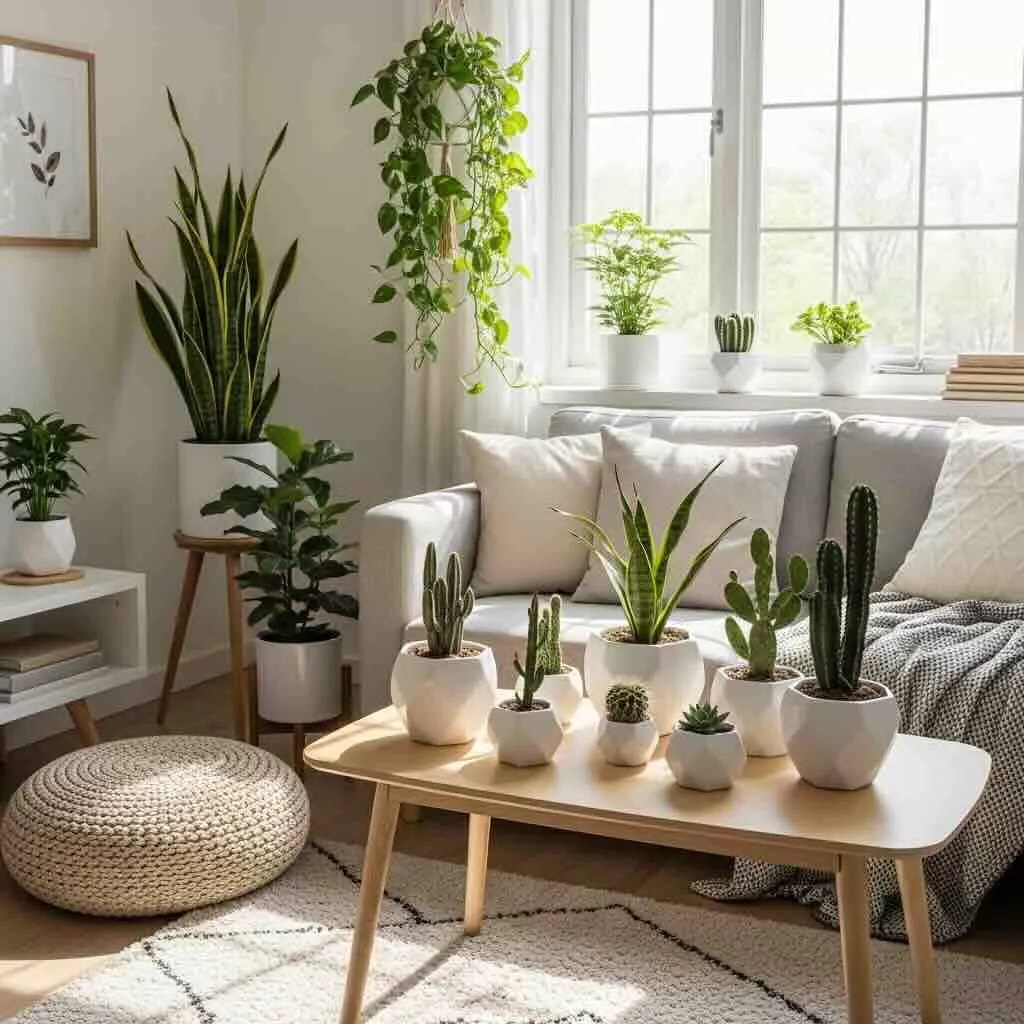
Suculentas y cactus: very little is needed, before drying the substrate completely between the edges.
Tropical plants: Prefer lightly humid substrate.
Plantas de follaje denso: You usually need more water than hard or meaty hojas.
Tamaño de la maceta y la planta
Small macetas can be cut more quickly.
Large plants require more water.
Type of substrate
Substrates with a lot of coconut fiber or pearl drain quickly and dry beforehand.
Arched earth holds more moisture.
Room temperature and humidity
On the porch or with water, the plants will get water more quickly.
Humid environments require less risk.
Cómo saber cuándo regar
The best thing is to observe and feel the substrate, not to wonder for days.
Métodos prácticos
Introduce a gap of 2-3 cm into the ground. If you're with me, it's time to treat.
Raise the maceta: if it's very light, it indicates water flow.
Some rocks have a darker color when the earth is wet.
Avoid giving “por rutina”; Each planta may require a different pace.
How to treat correctly step by step
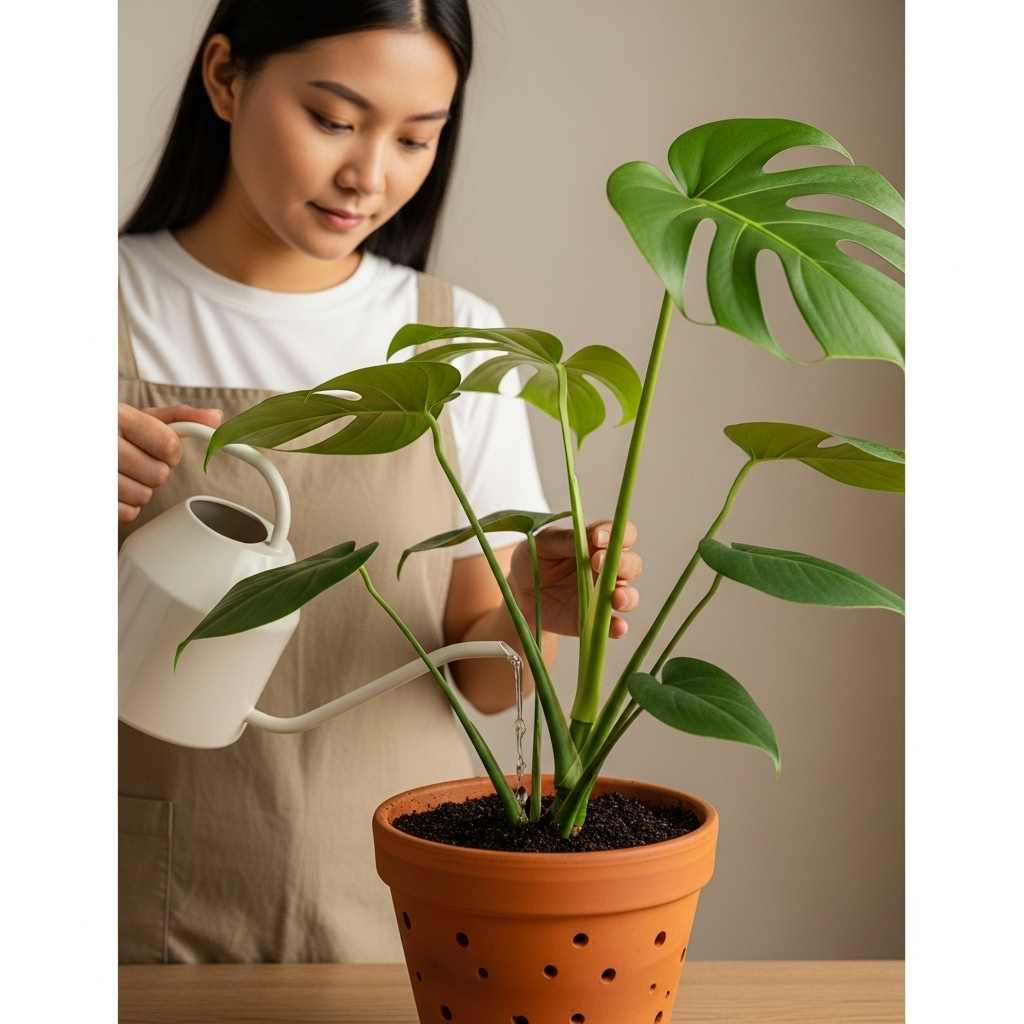
Riego desde arriba
Use a thin brush to remove the substrate.
Turn on the water slowly until it rises through the drain pipes.
Wait a few minutes and drain the water that is on the plate.
Riego por inmersión
Useful when the earth is dry.
Place the maceta in a container with water.
Let the substrate absorb water by capilaridad for 10-15 minutes.
Retira y deja escurrir bien.
Cuidado con el agua
Use water at room temperature.
If grifo water has a lot of chlorine, leave it aside 24 hours before using.
Adjust the line according to the season of the year
Spring and summer: the plant is actively growing and consumes more water.
Otoño and invierno: many plants enter into rest and require less water. Line with more space between lines.
Observing the behavior of your plant is the best guide.
Problem signs for inappropriate repair
Exceso de agua
Hojas amarillas que cáen easie.
Land with a moho olor.
Raíces negras o blandas.
Water leak
Hojas lacias y sin firmeza.
Brown or dry edges.
Substrate that separates from the edge of the macheta.
If you detect these signs, adjust the line immediately.
Complement the dressing with good ambient humidity
Many tropical plants need a humid environment.
Rocía agua sobre las hojas (if the species allows it).
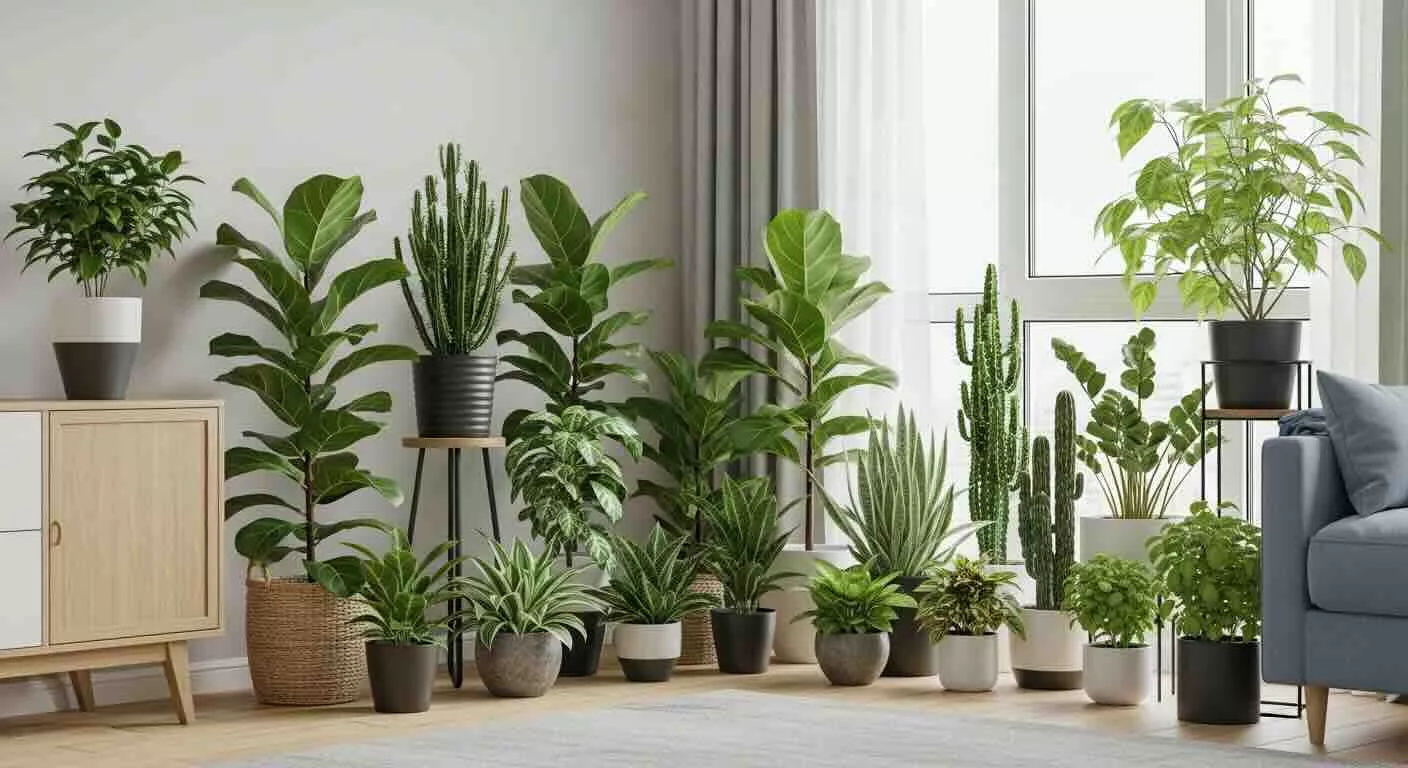
Group plants to create a microclimate.
Use a humidifier in very dry rooms.
Evita estos errores comunes
Regar all days “for customs”.
Leave the water drained on the plate below the maceta.
Do not check if the substrate is actually with you.
Always use the same quantity of water without being at the station.
A conscious handling of the line is what will mark the difference.
Enjoy healthy and vibrant plants
Learning how to care correctly is the basis for your plants to grow strong and beautiful. Observe the signs, adapt the line to your real needs and complement it with an appropriate environment. Over time, you will develop a “garden instinct” that will allow you to anticipate problems and keep your little green oasis always in its best shape.