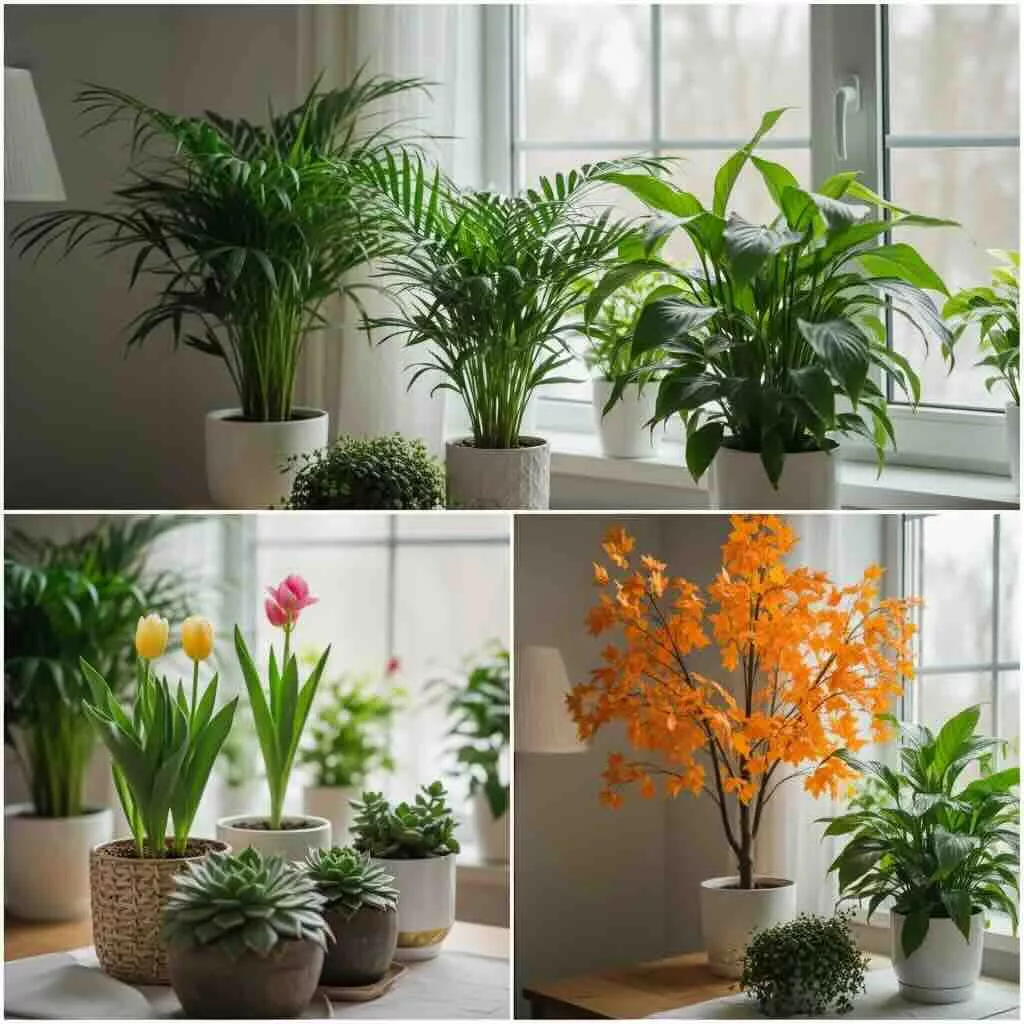
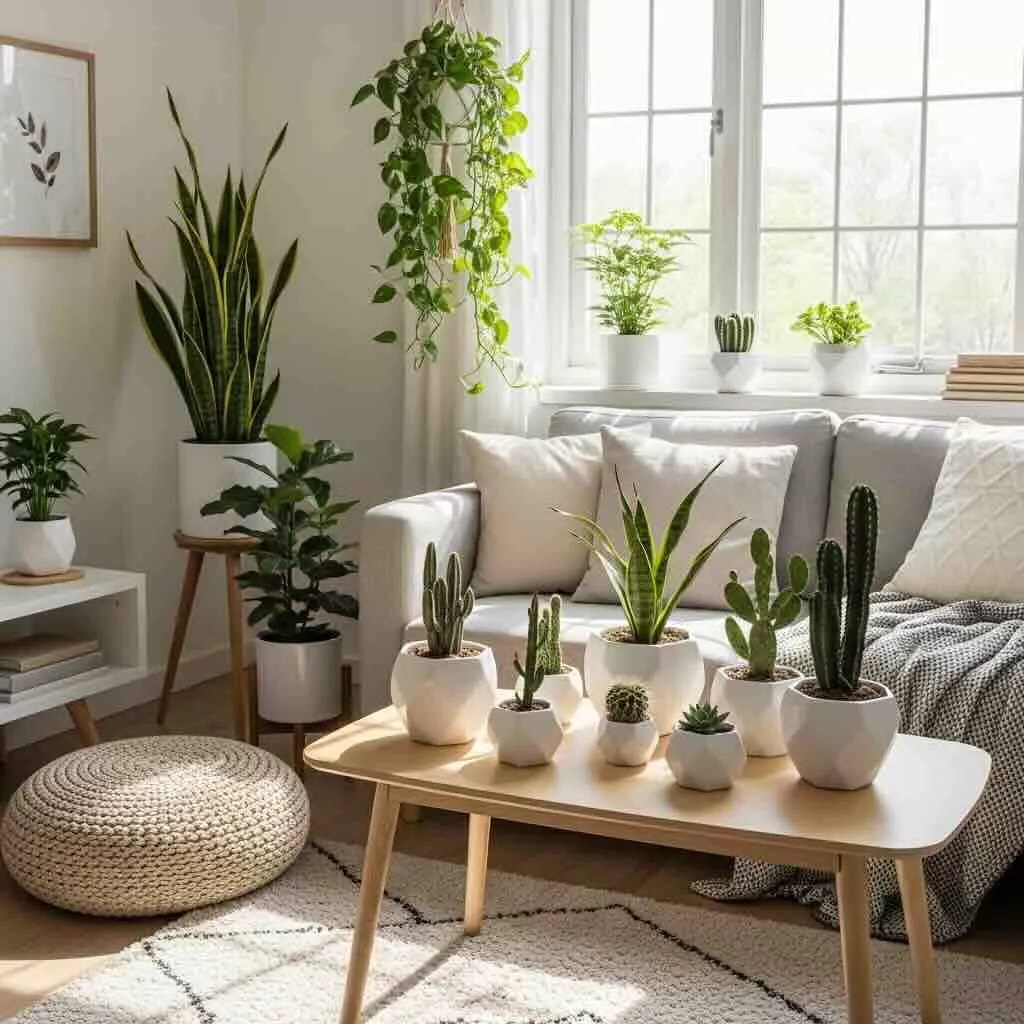
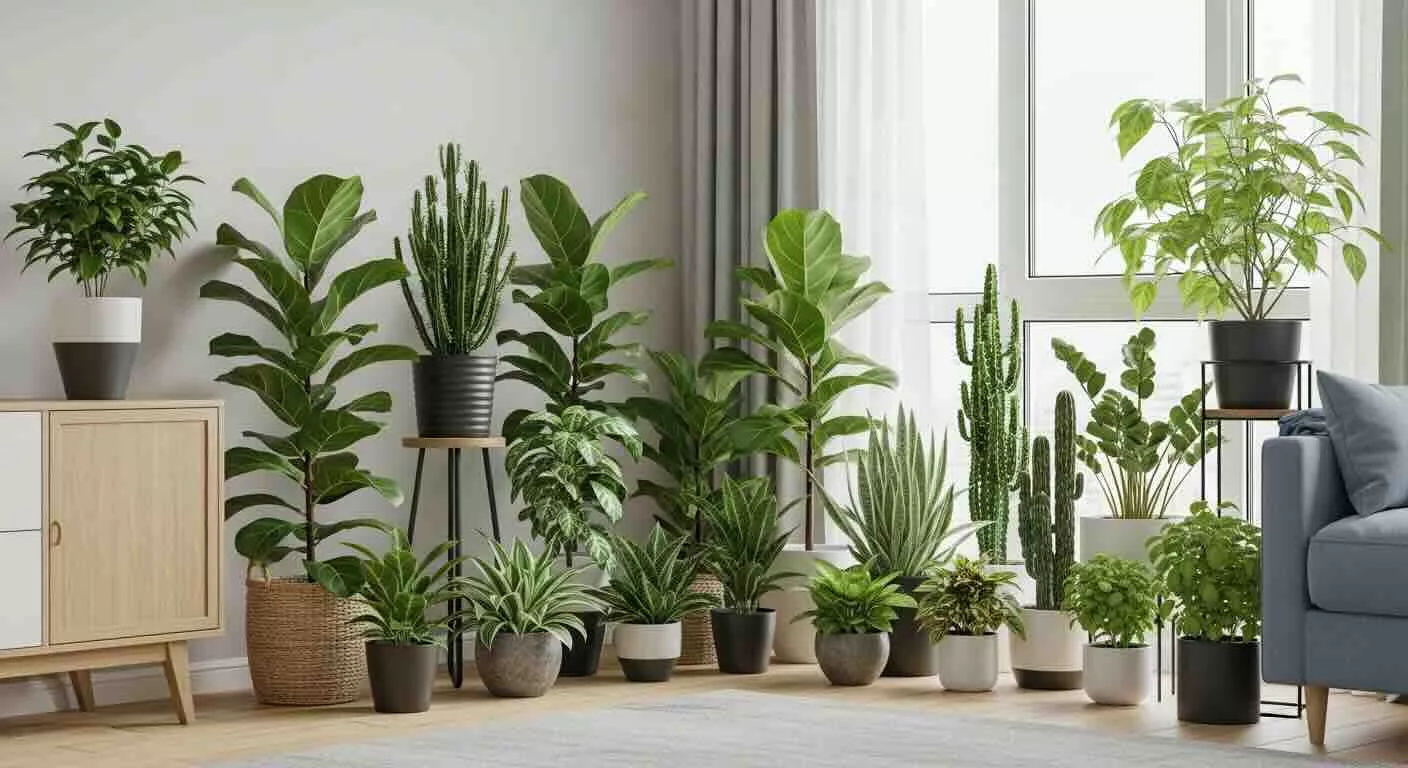
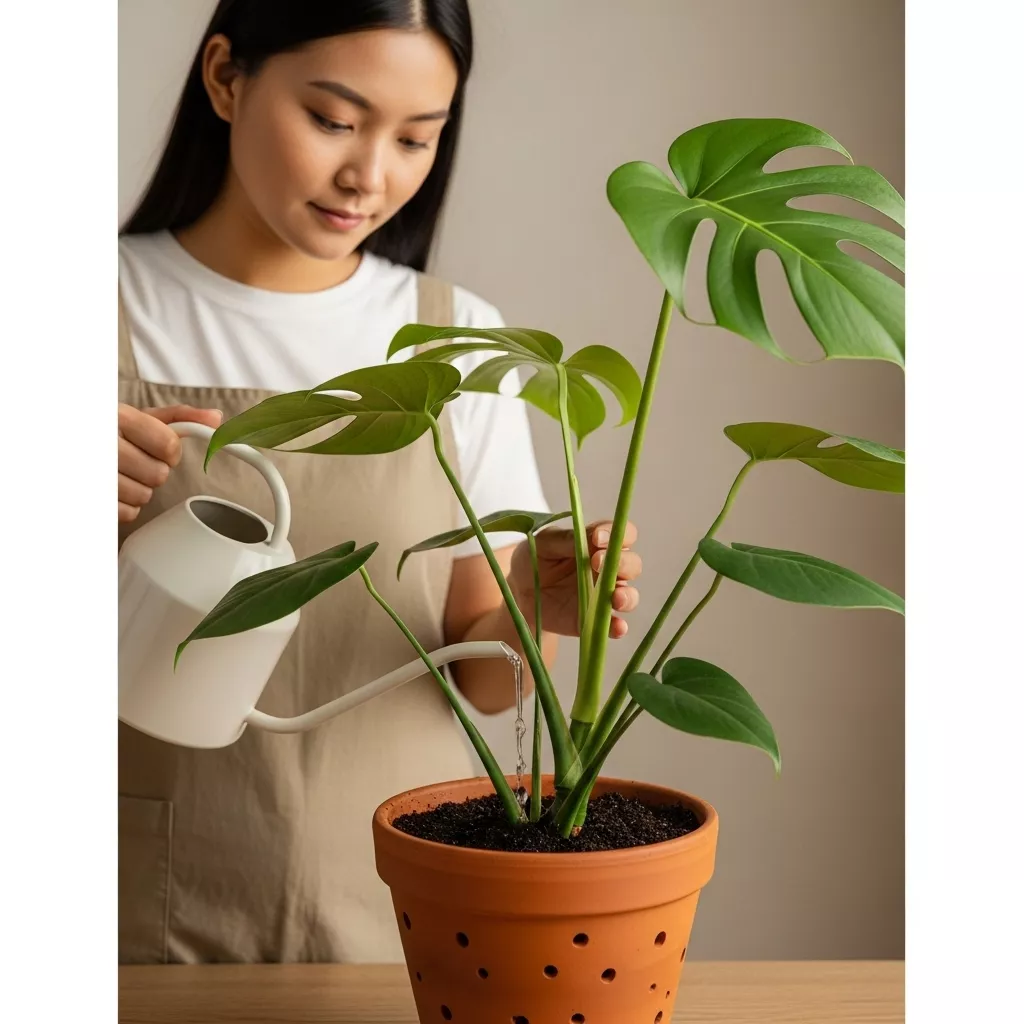
This is one of the most important steps to keep indoor plants healthy and vigorous. However, many times there are errors that negatively affect growth. In this article we teach you how to properly care for plants inside the house, respecting their needs and guaranteeing their well-being.
The importance of adequate management
Each plant requires a specific quantity of water according to the species, size, location of the year and environmental conditions. An insufficient or excessive penalty can cause:
- Marchitamiento: por falta de agua.
- Hojas amarillas: por exceso de riego.
- Pudrición de raíces: when the substrate remains empty for a long time.
- Crecimiento débil: for dehydration or radicular asphyxia.
Therefore, it is essential to know and apply suitable techniques.
Factors that influence the frequency of the line
There is no universal rule; frequency depends on various factors:
- Suculentas y cactus: requieren muy poco riego.
- Tropical plants: necesitan mayor humedad.
- Plantas de follaje denso: suelen consumir más agua.
Always consult the specific needs of each species.
Estación del año
- Spring and summer: mayor demands water due to active growth.
- Otoño and invierno: reduction of the ridge, so that the plants go into rest.
Environmental conditions
- Dry or warm environments: demanding demands most frequently.
- Places with little light and humidity: require less water.
Size of the mace and type of substrate
- Lighter and draining substrates dry more quickly.
- Small macetas need to be used more frequently than large ones.
Cómo saber cuándo regar
The best way to determine whether a plant needs water is to observe and touch the substrate.
Pruebas sencillas
- Introduce a 3 cm deep lid into the bowl: if it's dry, it's time to give it away.
- Remove the maceta: if it is light, the plant probably needs water.
- Observe the weather: if you drop or drop it, there may be a low water signal.
Avoid eating routinely; Always adjust according to real needs.
Management techniques for interior plants
There are various methods to care for plants efficiently and safely.
Riego desde arriba
El método más común:
- Use a ruler with a fine nozzle to avoid salting the heat.
- Line slowly and uniformly until the water begins to rise through the drain pipes.
- Make sure you drain the excess water before turning to place the maceta on its site.
Ideal para la mayoría de plants.
Riego por inmersión
Recommended for plants with very compact substrates or when the soil is completely dry.
- Fill a container with water.
- Sumerge the macheta until the height of the hill.
- Let it absorb water for 10-15 minutes.
- Retira y deja escurrir bien.
Avoid doing it frequently to avoid damaging the roots.
Riego with autorriego
Systems that maintain constant humidity:
- Macetas with water deposits.
- Mechas de algodón que transfieren water de la depot a la planta.
- Gel de riego.
Very useful if you use it during various days.
Common mistakes when buying indoor plants
Avoid these mistakes to ensure the health of your plants:
- Exceso de riego: main cause of death of interior plants.
- Regar in excess and with little frequencyIt is preferable to give a little but regularly.
- No respetar el drenaje: never use macetas without draining pins.
- Usar agua fría o con cloro: opt for water at room temperature and, if possible, repose.
Being aware of these mistakes will allow you to avoid them and improve the care of your plants.
How to adjust the frame according to the type of plan
Each plan has its details:
- Suculentas y cactus: refill only when the substrate is completely dry; In winter, the rain is minimal.
- Tropical plants: always prefer lightly humidified substrates; avoid overloading.
- Plantas con flor: require more water during the flora period.
- Plantas de follaje: adjust according to the size and density of the leaves.
Consult specific guides for each species you keep in your home.
Complement the dressing with good ambient humidity
Furthermore, many indoor plants need an environment with good humidity.
Cómo Aumentar la Humedad
- Sprinkle water over the hojas (except on plants that contain it).
- Place a plate with water looking for the plants.
- Group various plants to create a microclimate.
- Utiliza humidificadores.
This is especially useful in heated or air-conditioned environments.
Señales de riego inadecuado
Observe the following symptoms:
- Hojas amarillas y caídas: exceso de riego.
- Puntas secas y marrones: falta de humedad.
- Hojas blandas y lacias: falta de agua.
- Crecimiento detenido: problems of solving or inadequate substrate.
Before any signal, review the background and adjust the frequency of recording.
Enjoy healthy plants thanks to a good tree
Properly caring for plants inside the home is an art that is perfected with practice and observation. Record:
- Adjust the frame to the specific needs of each plant.
- Observe the substrate and the state of the hojas.
- Maintain good environmental humidity.
With these cares, your plants will always be healthy, vibrant and will provide your home with beauty and freshness.