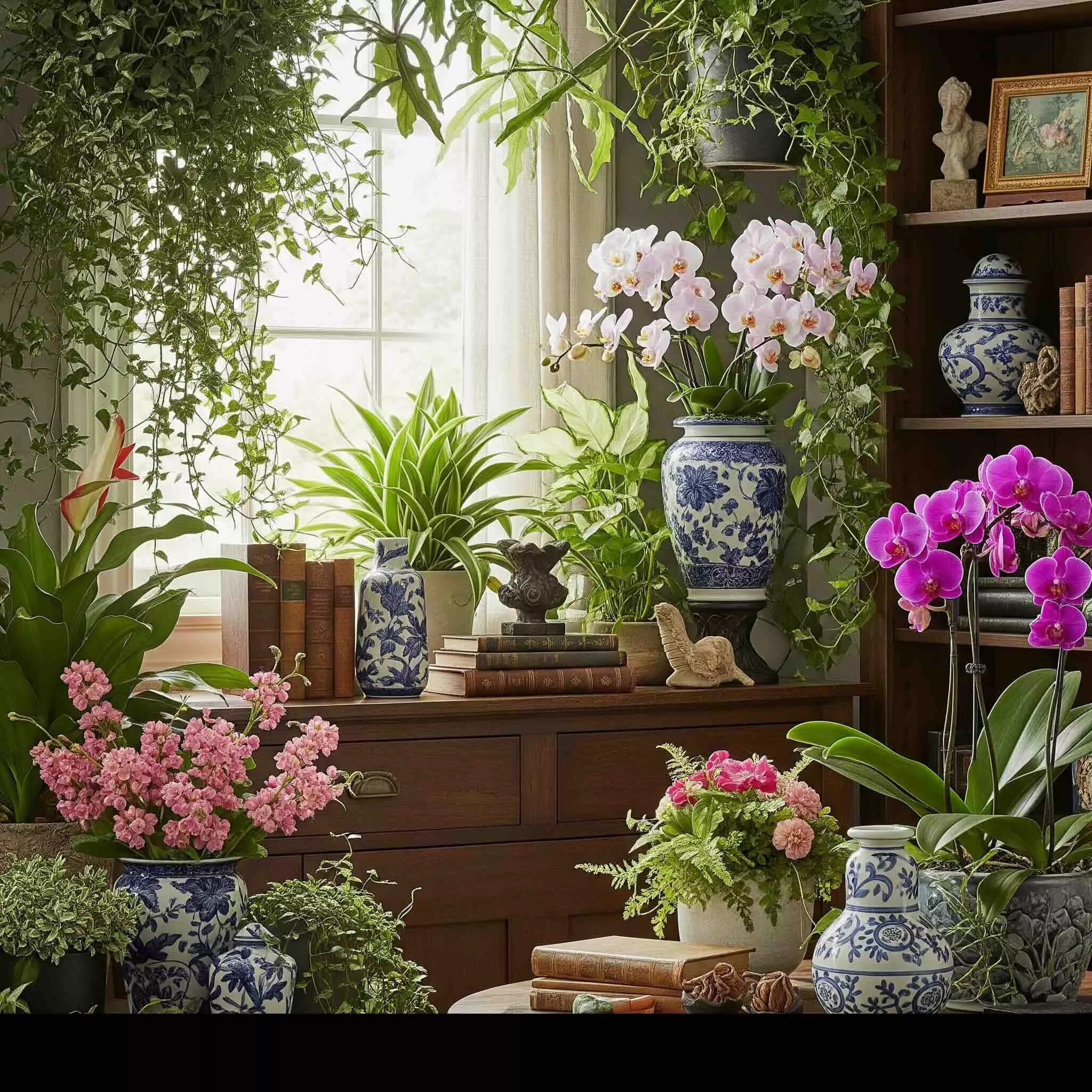
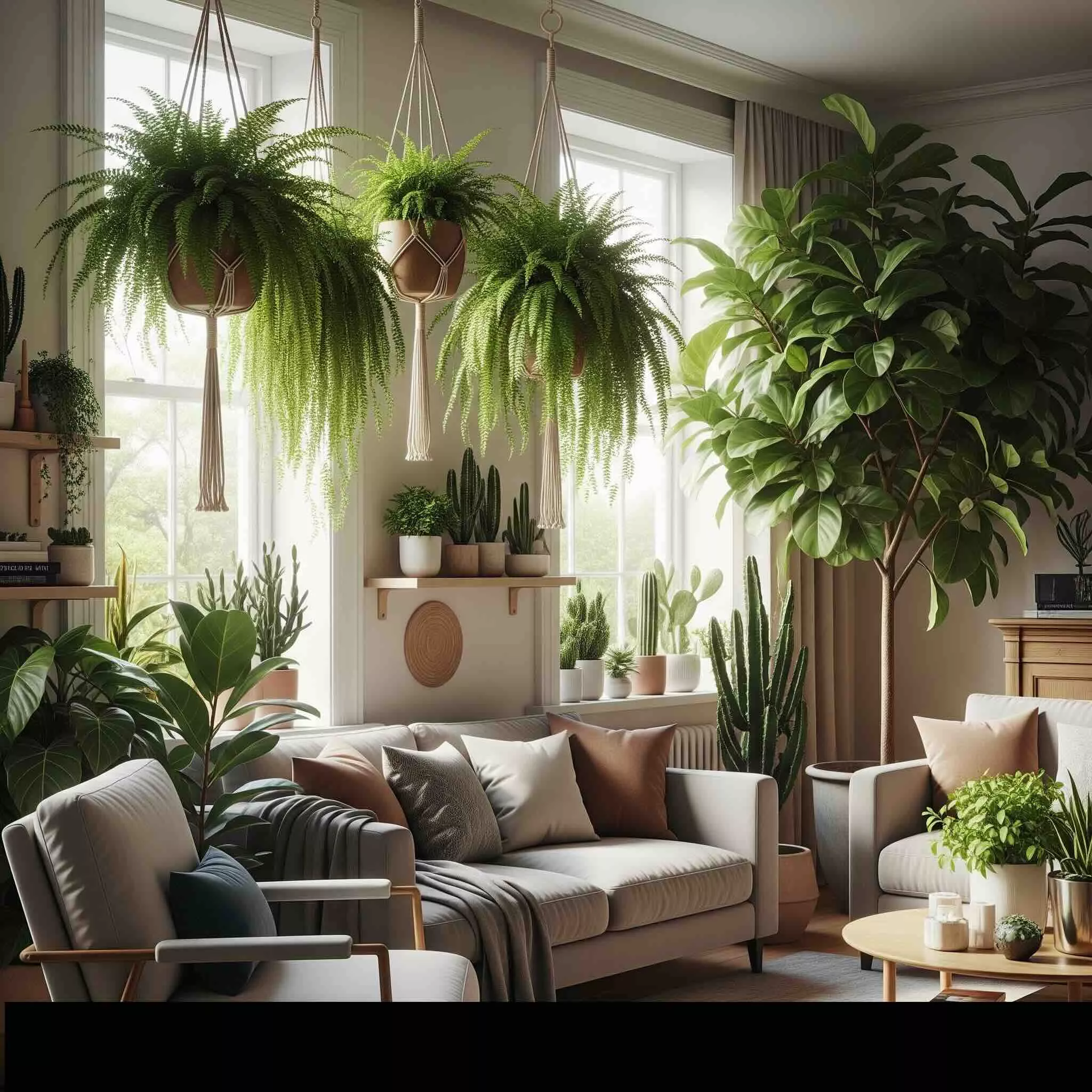
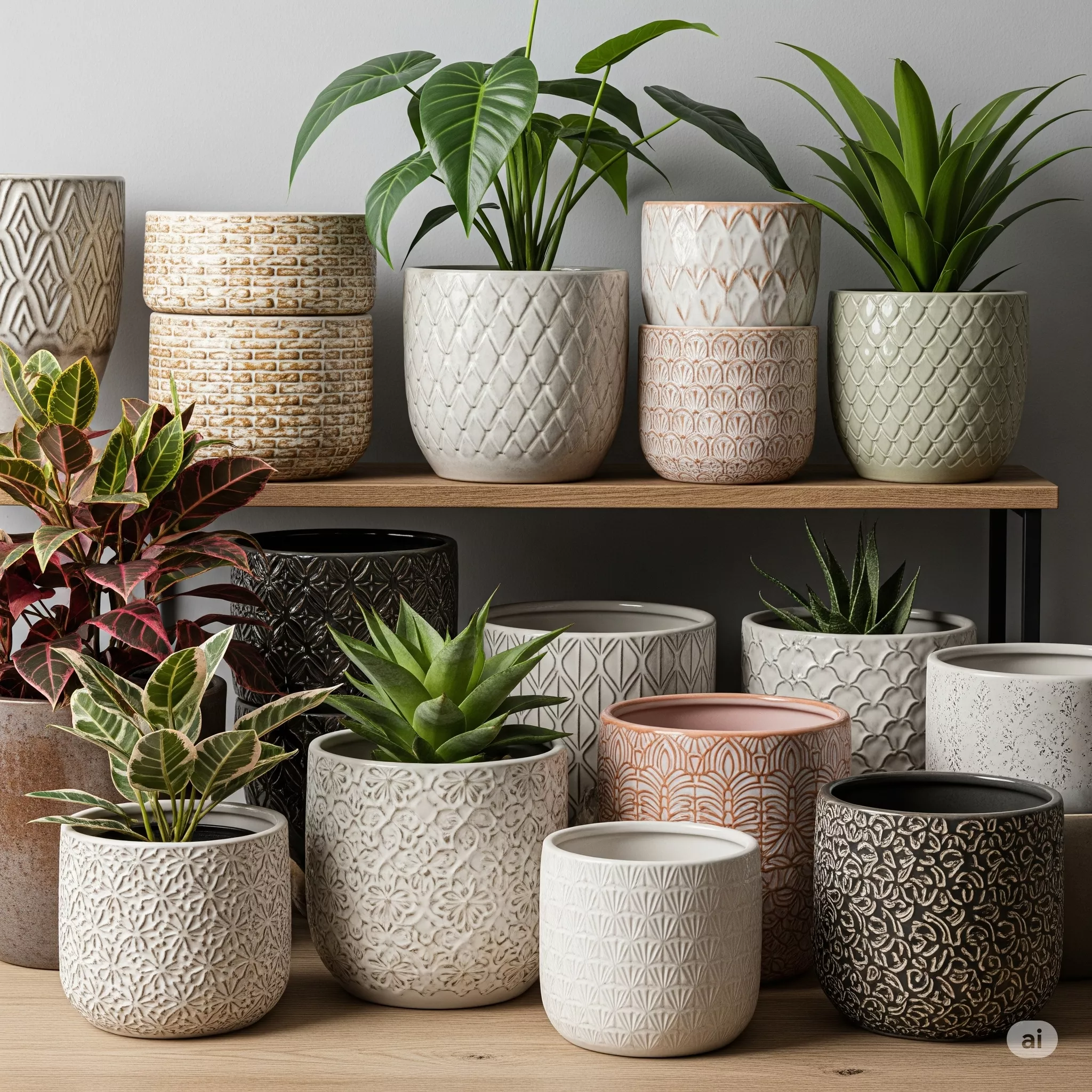
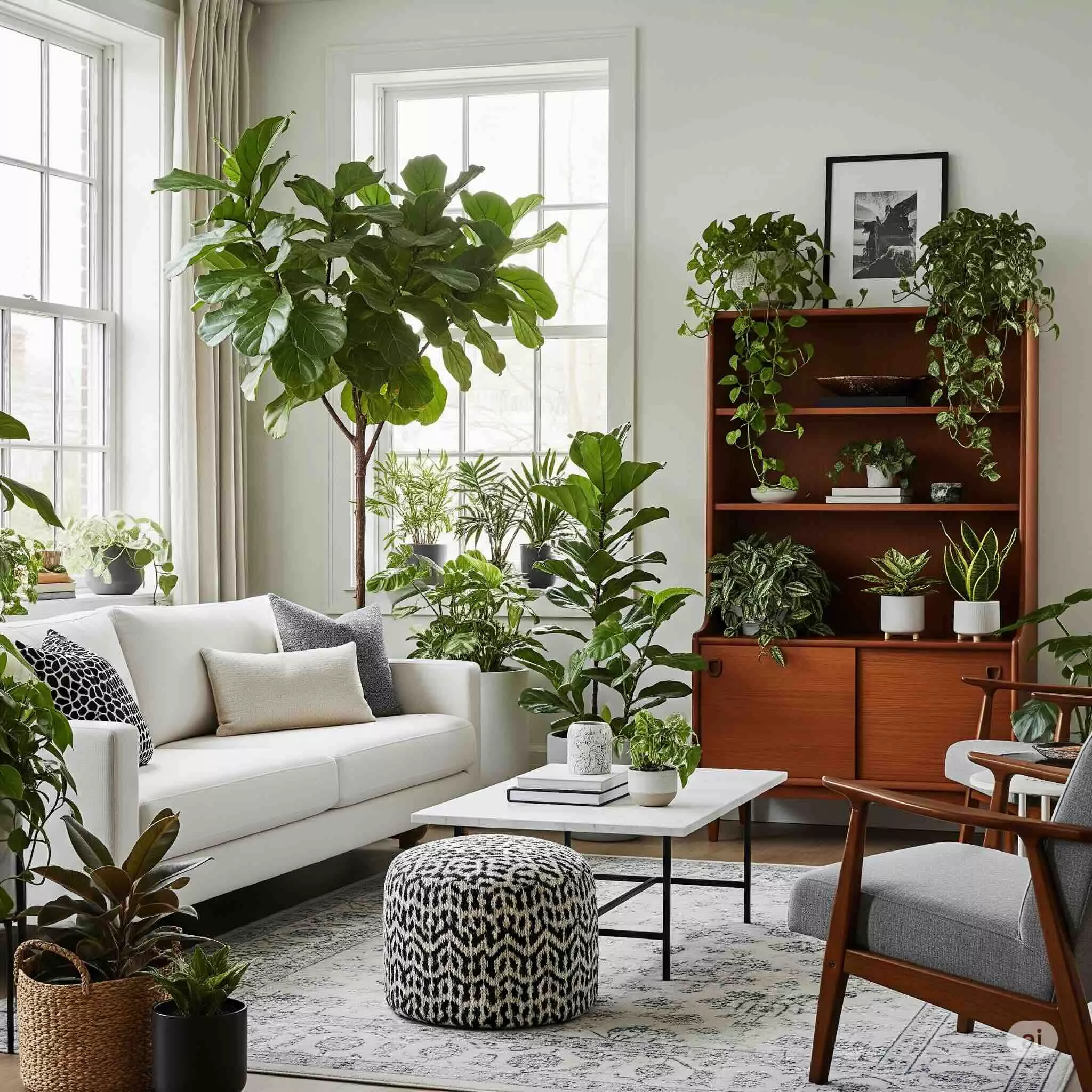
The integration of plants with the furniture of the house is a trend in vogue that transforms spaces, brings warmth and naturalness, and create environments más saludables y acogedores.
However, to achieve a harmonious and functional result it is necessary to plan the layout and style of each element.
In this article we show you how to harmonize plants and furniture in the decoration of your home, maximizing its aesthetic and environmental benefits.
Benefits of integrating plants and furniture into decoration
Before learning the techniques and advice, it is important to know the details of this combination:
- Natural aesthetics: the plants bring coolness, color and texture to any estate.
- Bienestar: improve the quality of the air and reduce stress.
- Versatility: they adapt to all decorative styles, from rustic to minimalist.
- Functionality: you can delimit spaces or complement architectural elements.
Incorporating plants into the decoration is not just for decoration, but also improves the quality of life.
How to choose suitable plants for each person
All plants are ideal for placing on any type of plant. The election must be based on:
Size of the plant and the furniture
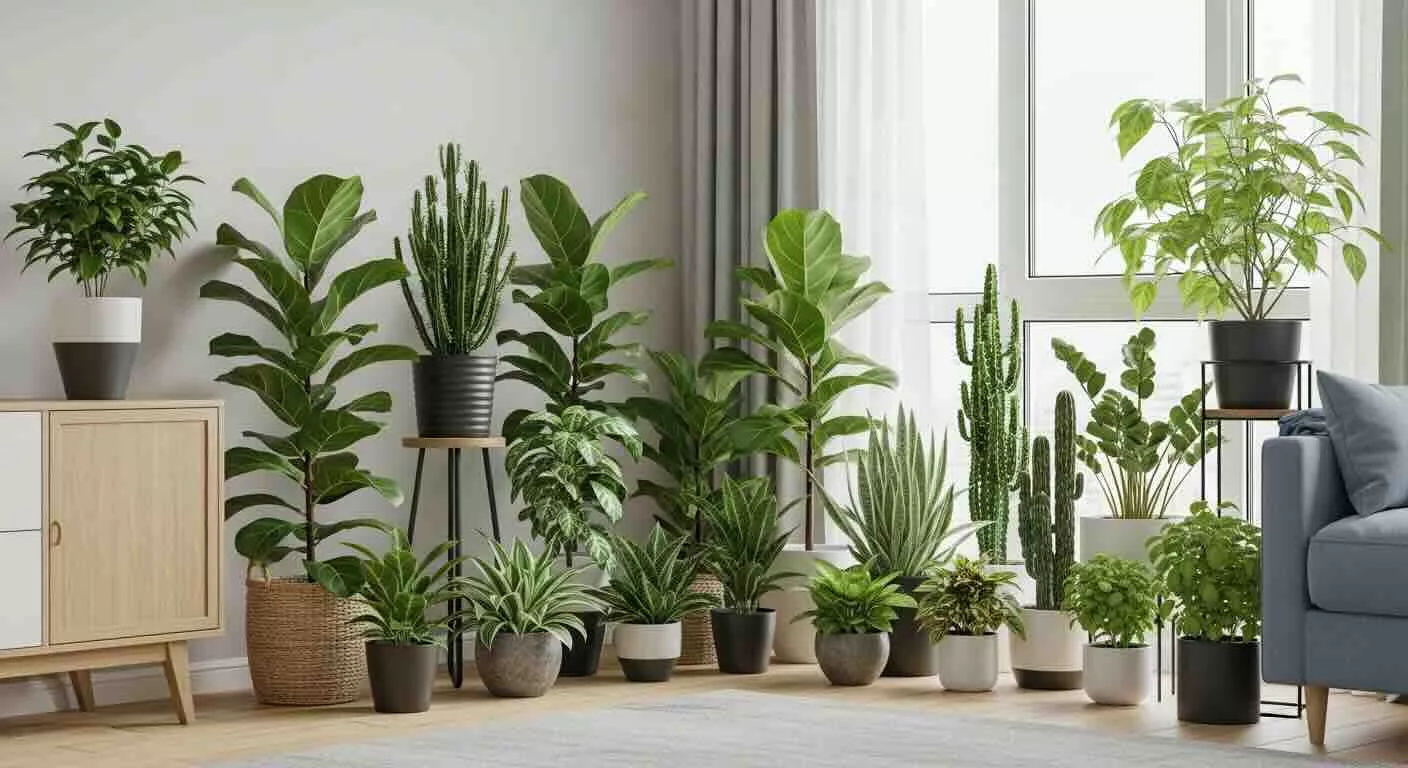
- Large plants: ideal for placing on the floor, next to sofas, wardrobes or sturdy cabinets.
- Plantas medianas: perfect for auxiliary tables, desks or reception tables.
- Plantas pequeñas: suitable for evenings, repisas and nighttime meals.
Balance is key: avoid the plan being overloaded or getting stuck in the furniture.
Requerimientos de luz
Place the plants according to the color of the light that receives the items:
- Sun plants look for winds.
- Plants of shade in instant interiors or less illuminated corners.
Decorative style
Select plants that integrate well with the style of the buildings:
- Estilo rústico: helechos, ficus, potos.
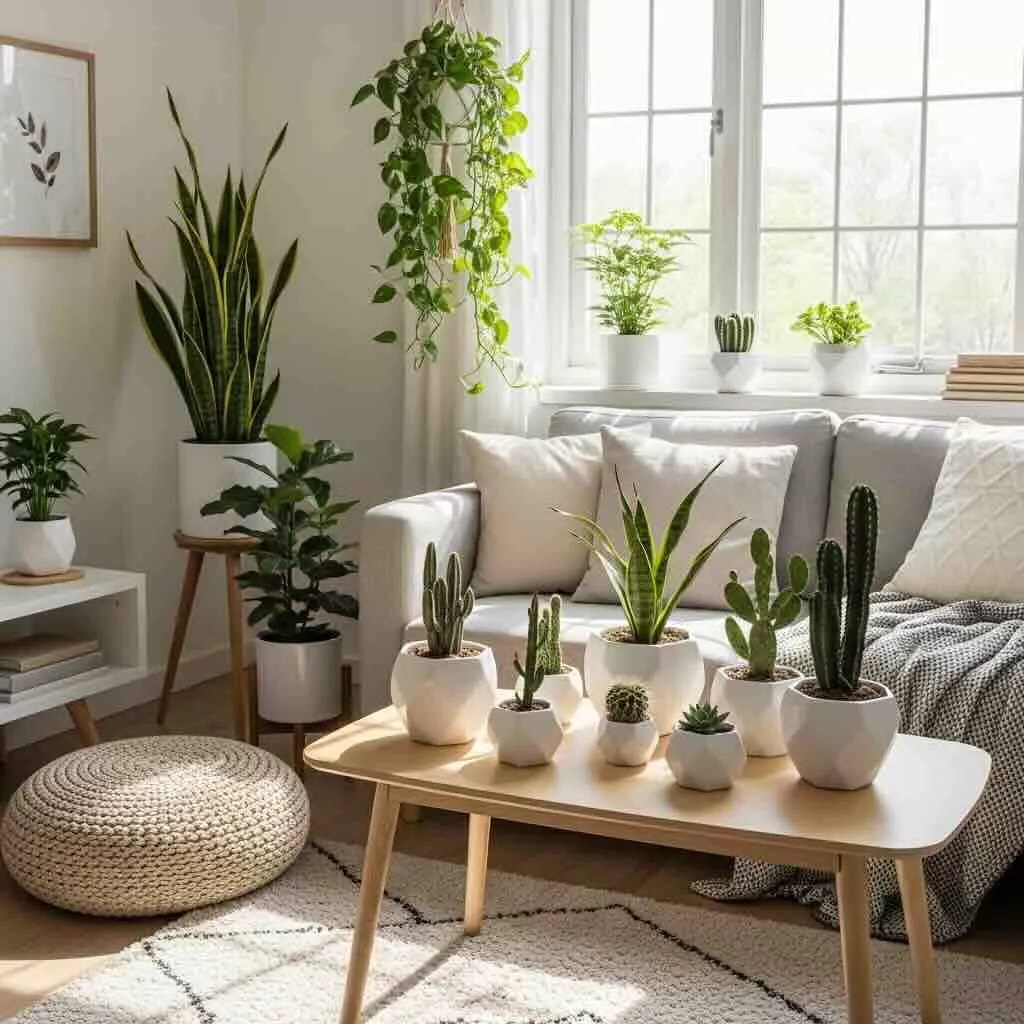
- Minimalist style: sansevieria, cactus, suculentas.
- Bohemian style: hanging plants such as the hiedra or the cordana de corazones.
How to arrange the plants in relationship with the furniture
Appropriate placement enhances both the aesthetics of the floor plan and the functionality of the furniture.
Sobre mesas y escritorios
- Use small or medium plants in decorative macetas.
- Avoid dense crowding plants that can obstruct the use of the tool.
- Group a variety of small plants to create an interesting composition.
En estanterías y repisas
- Alternate plants with books and decorative objects.
- Use hanging plants in upper areas to generate movement.
- There is enough space for the children to grow freely.
Junto a sofás o sillones
- Place large plants in bushes on the ground.
- Use elevated supports or maceters to provide height and presence.
- Make sure you do not block the path or the natural light.
In the kitchen
- Incorporate aromatic herbs into stands or dishes.
- Place small plants in the planter, free of heat sources.
In addition to decorating, they bring functionality to being useful for cooking.
How to combine colors and textures between plants and furniture
Visual harmony is achieved by balancing the colors and textures of plants, plants and furniture.
Colors
- Combine neutral tone macetas with madera muebles for a warm environment.
- Use vibrant colored macetas in modern style spaces.
- Maintain a coherent color palette to avoid visually overloading the environment.
Textures
- Mix lisas with other wrinkled or toothy textures.
- Choose sets of materials that complement the furniture pieces: ceramic, wood, metal or glass.
- Introduces textiles such as shades or cushions that harmonize with the combination.
How to maintain the functionality of the spaces
It is important that the integration of plants does not affect comfort or the use of furniture.
Recomendaciones:
- Do not place large plants in pasillos or extreme walking areas.
- Ensure the stability of the macetas to avoid accidents.
- Select plants that do not require daily storage are in delicate pieces.
Safety and functionality must prevail in the arrangement of the plants.
How to use plants to delimit environments
The plants can also serve as dividing elements within open spaces.
Examples:
- Place a set of tall plants to separate the dining room.
- Use open stands with plants to divide working and walking areas.
- Create a vegetal plant with hanging or wrapped plants.
These solutions bring privacy without the need to build walls.
Care and maintenance of plants inside
To ensure that the plants are beautifying your hair, require certain care:
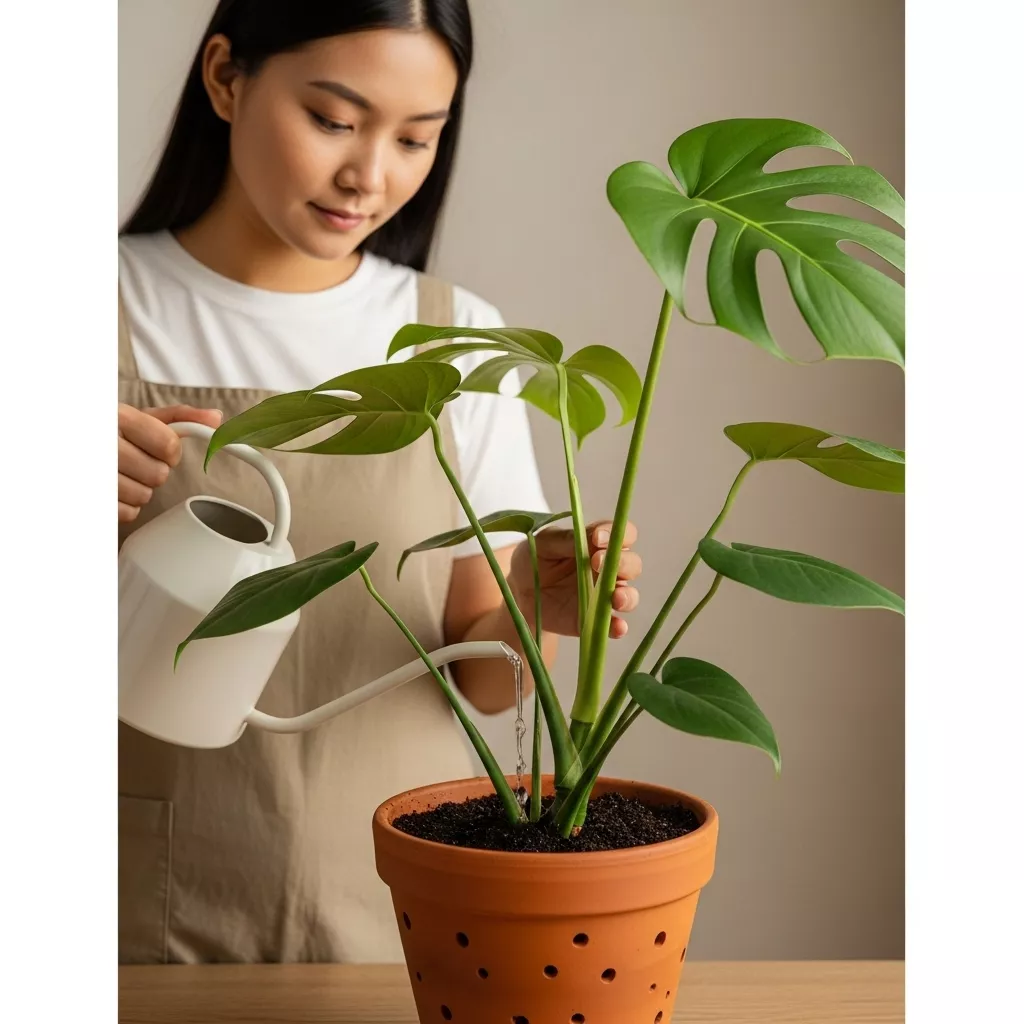
- Follow the needs of each species and protect the objects from possible filtration.
- Clean your hair to avoid accumulation of dust.
- Check the plants regularly to detect plagues or illnesses.
- Turn the macetas repeatedly until they grow in a balanced way.
Adequate maintenance prolongs the life of the plants and maintains the aesthetics of the spaces.
Enjoy a harmonious and natural decoration
Harmonizing plants and furniture in your home decoration is a simple way to embellish spaces, bring warmth and improve overall well-being. With planning, creativity and care, you can ensure that the plants integrate perfectly with your furniture, transforming your home into a welcoming and relaxing refuge for life.
Help yourself to experiment with different combinations and styles, and discover the transformative power of plants in decoration.